
US Supreme Court Blocks Trump Tariffs 2026: Impact on Trade Policy & Presidential Power
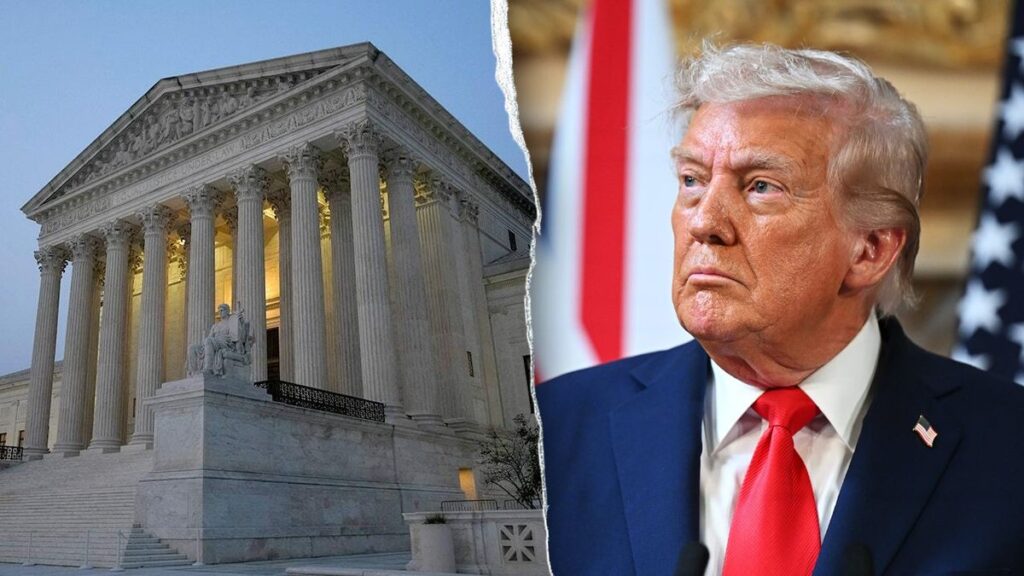
Table of Contents
The U.S. Supreme Court has issued a landmark ruling that could permanently reshape American trade policy. In a 6–3 decision, the Court struck down sweeping tariffs introduced by former President Donald Trump, stating that the executive branch exceeded its authority.
This ruling marks a major shift in US trade policy news, reinforcing constitutional limits and clarifying who controls tariff decisions in the United States.
This ruling marks a major shift in US trade policy news, reinforcing constitutional limits and clarifying who controls tariff decisions in the United States.
Link : US trade and tariff data
Trump Tariffs Ruling 2026: US Supreme Court Explains What It Means
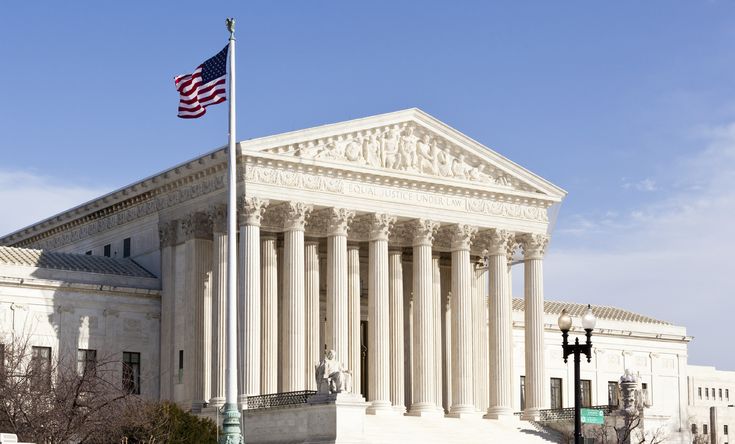
The US Supreme Court Trump tariffs ruling marks a historic moment in American economic policy. The U.S. Supreme Court made it clear that tariff authority cannot be exercised solely by the executive branch. By striking down the tariff measures introduced by Donald Trump, the Court reinforced the constitutional principle that taxation powers rest with Congress. This decision is expected to influence future trade actions and legal interpretations for years to come.
The US Supreme Court Trump tariffs case focused on whether a president can impose broad tariffs without congressional approval. Donald Trump used emergency powers under the International Emergency Economic Powers Act (IEEPA) to justify global import tariffs.
However, the Court ruled that:
- Tariffs are a form of taxation
- Only Congress has the authority to impose taxes
- Emergency powers cannot be used to bypass legislative approval
This Trump tariff ruling 2026 establishes a clear legal boundary and ensures that major economic decisions remain under congressional control.
Read more US policy updates here:
https://usabuzz360.com/category/usa-news/
Presidential Power Tariffs: New Limits After the 2026 Supreme Court Decision
The debate around presidential power tariffs has now been clearly addressed by the Court. The ruling limits the ability of the president to impose sweeping tariffs without congressional approval. It emphasizes that emergency powers must be applied within defined legal boundaries. This clarification is crucial for maintaining checks and balances within the U.S. government and preventing overreach in economic policymaking.
The ruling significantly redefines presidential power tariffs and sets a strong precedent for future administrations.
Key takeaways include:
- Presidents cannot impose large-scale tariffs independently
- Emergency economic laws have strict limitations
- Congress regains primary authority over trade taxation
This decision reduces the risk of sudden, unpredictable trade policies and strengthens the system of checks and balances in economic governance.
Explore business and policy insights:
https://usabuzz360.com/category/business-news/
Impact of Tariffs on US Economy & Financial Markets: Key Insights

The impact of tariffs on the US economy remains a critical issue following the 2026 Supreme Court decision. In the short term, markets may react to policy adjustments and legal uncertainties, while businesses navigate rapid changes in trade rules. Over the long term, the ruling could reduce unpredictability in trade policy, boost investor confidence, and support stable economic growth. Globally, this decision signals a more consistent and rules-based approach from the United States, potentially improving international trade relations.
Short-Term Effects:
- Market volatility in trade-sensitive sectors
- Potential legal disputes over previously collected tariffs
- Uncertainty among global businesses
Long-Term Outlook:
- Greater policy stability and predictability
- Enhanced investor confidence
- Stronger and more reliable global trade relations
Investor & Business Takeaway:
This landmark ruling could create a stable environment for strategic planning, investment decisions, and long-term growth.
Discover more financial insights: U.S NEWS
US Trade Policy News: What Changes Are Ahead

In the latest US trade policy news, the ruling signals a return to legislative control over tariffs. Congress now holds the primary authority to decide on trade taxation, ensuring a more balanced and transparent decision-making process. While this may slow down policy implementation, it strengthens democratic oversight and reduces the risk of abrupt economic changes driven by executive actions.
This decision represents a turning point in US trade policy news, with significant structural changes ahead.
Going forward:
- Congress will take the lead in tariff decisions
- Presidents must work with lawmakers on trade policy
- Trade actions may become slower but more stable
This shift signals to global markets that U.S. trade policy will be guided by institutional processes rather than unilateral decisions.
Political and Global Reactions to the Trump Tariff Ruling 2026
Reactions to the Trump tariff ruling 2026 have been mixed across political and economic circles.
Supporters argue that the ruling protects constitutional order and prevents overreach. Critics, however, believe it may limit the government’s ability to respond quickly to economic challenges.
Donald Trump criticized the decision and suggested he may explore alternative legal strategies to reintroduce tariffs.
Globally, the ruling is seen as a stabilizing development, reducing the risk of sudden trade conflicts and promoting consistency in international economic relations.
What This Means for Investors, Businesses, and Policy Makers
This ruling has important implications across multiple sectors:
- Investors may benefit from reduced policy uncertainty
- Businesses can plan with greater confidence
- Policymakers must rely more on legislative collaboration
Overall, the decision creates a more balanced and predictable framework for U.S. economic policy.
Conclusion
The US Supreme Court Trump tariffs ruling is a defining moment in modern American governance. By limiting executive authority and reinforcing Congress’s role, the Court has reshaped the future of U.S. trade policy.
As the economic and political effects unfold, this decision will influence markets, policy decisions, and global trade dynamics for years to come.
∙ Buzzy Thoughts ∙
USA Buzz360 | Buzzy Take
This is more than a court ruling—it is a decisive shift in U.S. economic power.
With the U.S. Supreme Court setting clear limits, the balance between executive action and legislative control has been reset. Markets may gain stability, but questions remain over speed and competitiveness in global trade.
As figures like Donald Trump signal next moves, the direction of U.S. trade policy is set to evolve under closer scrutiny.
Bottom line: The tariff debate is entering a more structured—and more consequential—phase.
Stay with USABuzz360 for continuing coverage.
FAQs
What is the US Supreme Court Trump tariffs ruling?
It is a 2026 decision stating that the president cannot impose broad tariffs without congressional approval.
Why is the Trump tariff ruling 2026 important?
It limits presidential power and reinforces Congress’s authority over trade and taxation.
How does this impact the US economy?
It may create short-term uncertainty but leads to long-term stability in trade policy.
Can future presidents impose tariffs alone?
No, large-scale tariffs require approval from Congress.
What does this mean for global trade?
It signals more stable and predictable U.S. trade policies, improving global confidence.