

Trump Administration Proposes Major Obamacare Overhaul for 2027
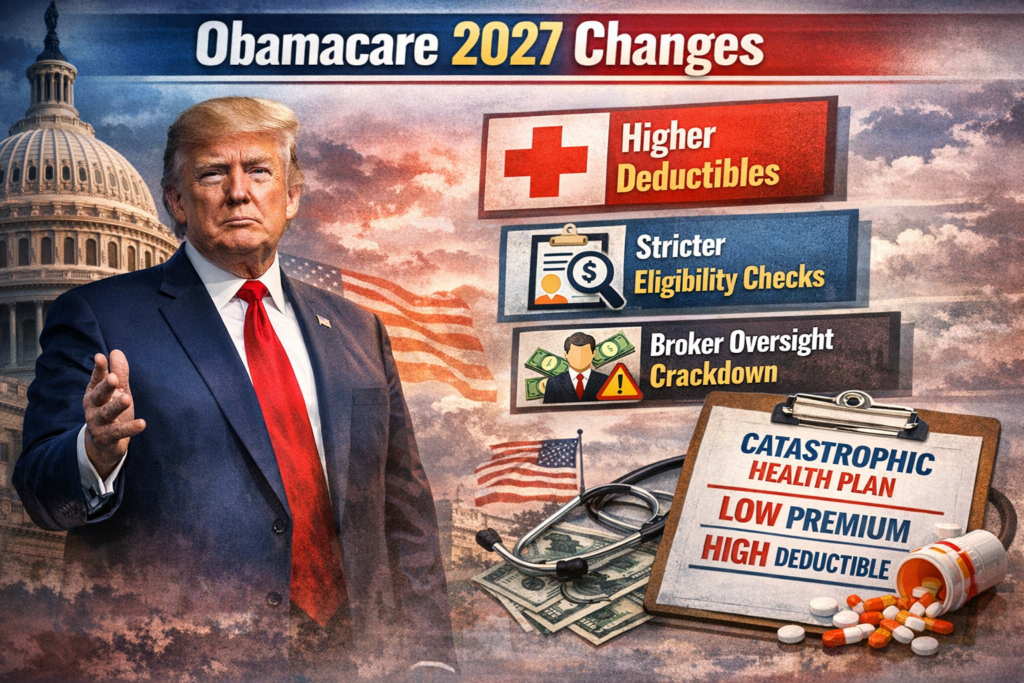
The Trump administration has unveiled significant proposed changes to the Affordable Care Act’s (ACA) health insurance marketplaces that could reshape how millions of Americans access healthcare coverage starting in 2027. The U.S. Centers for Medicare and Medicaid Services (CMS) released the plan on February 9, 2026, putting a spotlight on affordability, consumer choice, and program integrity — but also sparking concerns among health advocates and policy experts. (Reuters)
Table of Contents
Trump Obamacare 2027: Major Changes You Need to Know
Trump Obamacare 2027 Changes Explained
The administration of Donald Trump has introduced a sweeping proposal to overhaul key rules under the Affordable Care Act (ACA), with changes expected to take effect in 2027. The plan, released by the Centers for Medicare & Medicaid Services (CMS), is currently open for public comment through March 11, 2026.
This proposed reform could significantly reshape how individuals and families purchase health insurance through both federal and state marketplaces—potentially altering costs, coverage options, and consumer protections across the U.S.
What the New Healthcare Proposal Aims to Change
At its core, the proposal focuses on three major pillars:
1. Expanding Consumer Choice
The administration aims to give Americans more flexibility in selecting health plans by introducing a wider range of coverage options. Supporters argue this could lead to more personalized and potentially lower-cost plans.
2. Stronger Oversight of Market Players
New rules would tighten regulations on insurers, brokers, and agents to improve transparency and prevent misleading practices. The goal is to strengthen trust and accountability within the healthcare marketplace.
3. Cost Reduction Through Plan Redesign
The proposal includes redesigned insurance plans that the administration claims will reduce premiums and improve overall market efficiency. However, details on how these savings will be achieved remain under scrutiny.
Support vs Criticism: A Divided Response
Supporters of the plan believe it could:
Lower premiums for certain consumers
Increase competition among insurers
Provide more plan variety
Critics, however, warn that:
Reduced coverage standards could increase out-of-pocket costs
Vulnerable populations may face limited access to comprehensive plans
The changes may weaken key protections established under the ACA
What Happens Next?
The proposal is undergoing a public comment period, allowing stakeholders, healthcare experts, and citizens to provide feedback before final rules are implemented. The outcome of this process will play a crucial role in shaping the future of U.S. healthcare policy.
Higher Deductibles in Obamacare 2027
Business News – A central element of the 2027 proposal is a shift toward higher deductible insurance plans. While premiums — the monthly cost for coverage — may be lower under these new designs, policyholders would face significantly higher out-of-pocket costs before the insurance begins paying for most services. (Reuters)
These higher deductibles are typical of catastrophic health plans, which are designed to protect individuals from catastrophic medical costs, but may not be affordable for routine care. This design can appeal to younger or healthier individuals seeking lower monthly payments, but may leave others financially vulnerable if they need regular medical services. | Trump Obamacare 2027 Changes Explained
Expansion of Catastrophic Health Plans in 2027: Complete Guide
One of the most notable changes in the proposed overhaul of the Affordable Care Act is the expansion of catastrophic health plans.
Traditionally, these plans were only available to individuals under 30 or those who qualified for hardship exemptions. Under the new proposal from the Centers for Medicare & Medicaid Services, eligibility could be significantly broadened, allowing more Americans to enroll.
What Are Catastrophic Health Plans?
Catastrophic plans are designed to:
Offer lower monthly premiums
Come with very high deductibles
Provide coverage mainly for serious illnesses, emergencies, or unexpected medical events
They also include essential health benefits such as preventive services, but most routine care costs must be paid out-of-pocket until the deductible is met.
Historically, catastrophic plans were available only to people under age 30 or those with a hardship exemption. The proposal would widen eligibility, giving more consumers the option to enroll in these plans in 2027. Supporters argue this increases choice in the marketplace. Opponents say it could fragment the insurance pool, leaving sicker enrollees in more expensive plans and destabilizing the system. (usabuzz360)
ACA Marketplace Rules 2027: Stricter Enrollment & Verification
Alongside changes to plan design, the Centers for Medicare & Medicaid Services has proposed a comprehensive update to Marketplace rules under the Affordable Care Act. These updates focus on how individuals enroll, verify eligibility, and maintain their healthcare coverage.
Key Proposed Changes
1. Stricter Eligibility & Income Verification
The new rules would introduce tighter verification processes to ensure that premium subsidies are only provided to individuals who truly qualify. This aims to reduce misuse of taxpayer-funded benefits and improve accuracy in the system.
2. Changes to Enrollment Periods
The proposal includes potential adjustments to:
Open enrollment timelines
Special enrollment eligibility criteria
These changes are designed to limit system abuse while maintaining access for those with legitimate qualifying life events.
3. Reducing Improper Enrollments
CMS is also focusing on strengthening safeguards to prevent fraudulent or duplicate enrollments. Enhanced monitoring and compliance measures would help improve the overall integrity of health insurance marketplaces.
Why These Changes Matter
These Marketplace reforms are intended to:
Reduce fraud and administrative errors
Ensure subsidies are distributed fairly
Strengthen long-term sustainability of the system
However, critics point out potential downsides:
Increased paperwork and documentation requirements
Delays in enrollment approvals
Possible barriers for low-income or less tech-savvy applicants
What to Expect from Trump Healthcare Policy 2027
The 2027 ACA changes are part of a broader push by the Trump administration to reshape U.S healthcare policy. Rather than increasing federal subsidies or expanding traditional ACA protections, the administration is focused on market-driven options, cost transparency, and limiting what it sees as wasteful spending. (Reuters)
This approach contrasts with prior policy trends that emphasized broad subsidy expansions and protections against high out-of-pocket costs. Critics argue that the new rules represent a rollback of consumer protections embedded in the ACA and could result in coverage losses for some Americans. (commonwealthfund.org)
Obamacare Premiums vs Deductibles
A key question for consumers evaluating these changes is the trade-off between premiums and deductibles. Lower premiums may make coverage seem affordable on a month-to-month basis, but higher deductibles mean individuals could face thousands of dollars in health costs before insurance starts covering significant services. (gilmermirror.com)
Health policy experts caution that while lower premiums can attract healthier individuals, out-of-pocket spending can grow sharply. This dynamic could lead to what some analysts call a “premium-deductible imbalance,” where plans look inexpensive but cost much more when members need care. (commonwealthfund.org)
What’s Next
The proposed rules remain open for public feedback. Healthcare providers, insurers, consumer advocacy groups, and everyday Americans have until March 11, 2026 to submit comments. After reviewing feedback, CMS may revise the proposal before issuing final regulations that will take effect in 2027. (Reuters)
FAQs – Trump Obamacare 2027 Changes
Is Obamacare ending in 2027?
No. Obamacare is not ending in 2027, but the Trump administration has proposed new ACA marketplace rules that could change how plans are priced, structured, and who qualifies for subsidies. | Trump Obamacare 2027 Changes Explained
Will deductibles increase under Trump’s Obamacare plan?
Yes. The proposed rules allow more high-deductible health plans, meaning many Americans could face higher out-of-pocket costs before insurance coverage begins.
What are catastrophic health plans in 2027?
Catastrophic health plans 2027 are low-premium, high-deductible insurance plans designed mainly for emergency or major medical situations.
Who benefits from catastrophic health plans?
Catastrophic health plans 2027 are low-premium, high-deductible insurance plans designed mainly for emergency or major medical situations.
What are ACA marketplace rules 2027?
They include stricter income verification, new plan structures, broker oversight, and expanded catastrophic plans. | USA Buzz360
Will subsidies change under Trump healthcare policy 2027?
Yes. The proposal includes tighter eligibility checks, which may reduce access to subsidies for some applicants.
How will Trump healthcare policy affect families?
Families may face higher deductibles, more paperwork for eligibility, and fewer low-cost comprehensive plans.
When will the Obamacare 2027 changes take effect?
If approved, the new rules will begin in January 2027.


U.S. Strike on Venezuela Sends Global Shockwaves: Market Reactions and Business Consequences Explained

At USA Buzz360 , we welcome writers, journalists, and industry experts to contribute high-quality content on U.S. news, technology, business, healthcare, finance, SaaS, and digital marketing.
If you have unique insights, breaking news, or in-depth analysis to share, we’d love to hear from you. Join our growing community and get your voice featured on a global media platform.

Let’s inform, inspire, and shapeconversations together.