
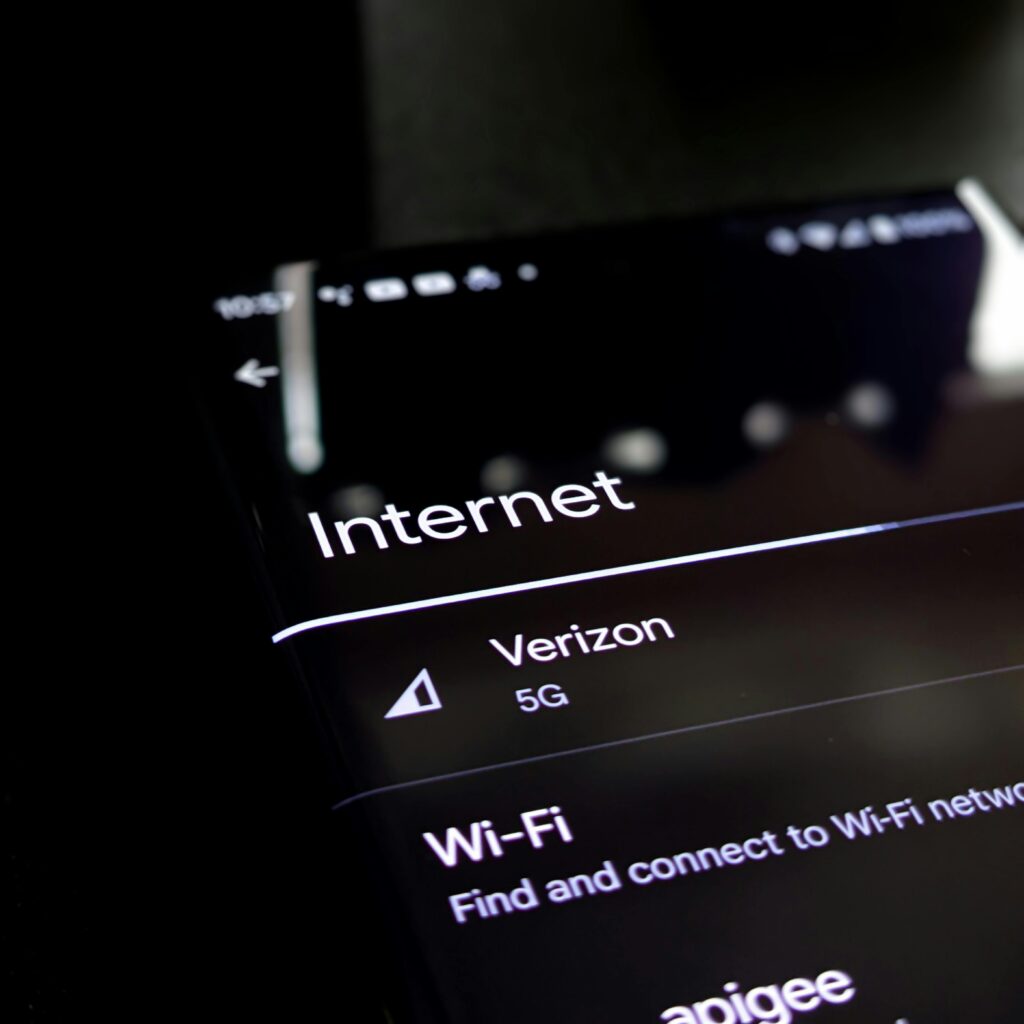
The Future of Connectivity: T-Mobile 5G Network, Wireless Home Internet, and the Rise of 6G
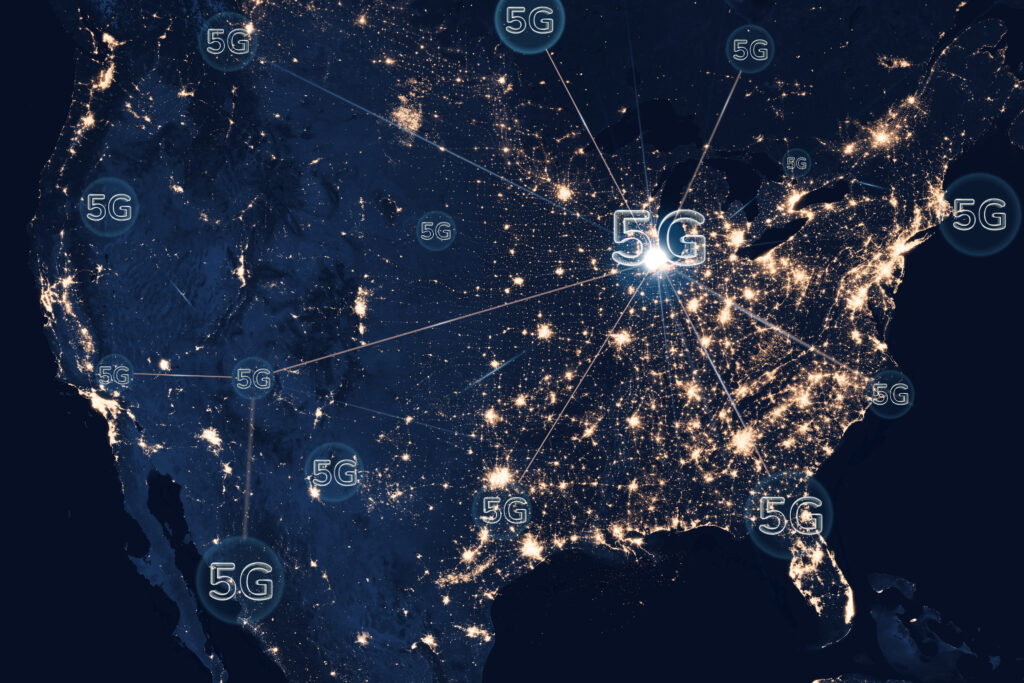
T Mobile 5g network : The global telecom industry is rapidly evolving, and the 5G network revolution is already transforming how people work, stream, and connect. In the United States, T-Mobile has emerged as one of the leaders driving this transformation.
From the expansion of the T-Mobile 5G network to the growing popularity of T-Mobile Wireless Home Internet, and the early research around 6G network technology, the future of connectivity is being built today.
Understanding the 5G Network Revolution
A 5G network represents the fifth generation of wireless technology, designed to deliver faster speeds, lower latency, and higher capacity compared to previous generations like 4G LTE.
Key Benefits of 5G Technology
- Ultra-fast speeds
Download speeds can reach up to 10 Gbps, allowing users to stream high-resolution video and download large files in seconds. - Low latency connectivity
Latency drops to as low as 1 millisecond, enabling real-time applications such as cloud gaming and autonomous vehicles. - Massive device connectivity
5G supports millions of connected devices, making it ideal for smart cities, IoT, and connected homes. - Improved network efficiency
Telecom providers can deliver better performance even during heavy network traffic.
For consumers, this means faster mobile internet, better streaming quality, and improved connectivity across devices.
T-Mobile 5G Network: How It Became a U.S. Leader
The T-Mobile 5G network has expanded rapidly across the United States after its merger with Sprint Corporation in 2020.
What Makes T-Mobile’s 5G Unique?
Nationwide coverage
Unlike some competitors that rely heavily on mmWave technology, T-Mobile built its network using low-band, mid-band, and high-band spectrum.
This multi-layer approach helps deliver:
- Wide coverage
- Faster speeds
- Reliable performance
Mid-Band Spectrum Advantage
T-Mobile’s 2.5 GHz mid-band spectrum allows it to deliver faster speeds than traditional 4G while maintaining strong coverage across urban and rural areas.
Real-World Speed Performance
Independent testing shows the T-Mobile 5G network consistently ranking among the fastest networks in the United States.
Users benefit from:
- smoother video streaming
- faster downloads
- stable connectivity in crowded areas
T-Mobile Wireless Home Internet: A Cable Alternative
One of the most disruptive innovations in broadband connectivity is T-Mobile Wireless Home Internet.
Instead of traditional fiber or cable infrastructure, this service delivers internet using the T-Mobile 5G network.
How T-Mobile Wireless Home Internet Works
The service uses a 5G gateway device that connects to nearby cellular towers and broadcasts Wi-Fi throughout the home.
This allows households to access high-speed internet without physical cable installation.
Key Advantages
- Easy setup
Users simply plug in the gateway device and connect to Wi-Fi.
- Affordable pricing
Compared to many cable providers, T-Mobile’s home internet plans are often lower cost with no contracts.
- Rural connectivity
Wireless internet provides coverage in regions where fiber and cable infrastructure are limited.
- Reliable speeds
Many users report speeds ranging between 100 Mbps and 300 Mbps, depending on network coverage.
For many American households, T-Mobile Wireless Home Internet is becoming a strong alternative to traditional ISPs.
5G Network Impact on Industries
The adoption of 5G networks is not just improving smartphone connectivity. It is reshaping entire industries.
Healthcare
5G enables remote surgery, telemedicine, and real-time patient monitoring.
Smart Cities
Connected infrastructure allows for:
- intelligent traffic systems
- smart energy grids
- advanced public safety monitoring
Entertainment & Gaming
Cloud gaming platforms benefit from low latency 5G networks, enabling smooth gameplay without expensive hardware.
Autonomous Vehicles
Future transportation systems will rely on ultra-fast wireless networks to communicate with traffic infrastructure and other vehicles.
The Next Frontier: 6G Network Technology
While 5G networks are still expanding globally, telecom companies and research institutions are already exploring the 6G network.
What Is a 6G Network?
A 6G network represents the sixth generation of wireless communication technology expected to launch around 2030.
It aims to provide:
- speeds up to 100x faster than 5G
- ultra-low latency
- AI-driven network management
- immersive digital experiences
Potential 6G Applications
The 6G network could enable technologies such as:
- holographic communication
- advanced virtual reality ecosystems
- fully autonomous transportation systems
- global satellite internet coverage
Major telecom companies, universities, and governments are already investing billions into early 6G research and development.
The Future of Wireless Connectivity
The evolution from 5G networks to 6G networks will redefine how the world communicates.
Companies like T-Mobile are building the infrastructure that powers next-generation connectivity.
From T-Mobile Wireless Home Internet to nationwide 5G coverage, wireless technology is gradually replacing traditional cable networks and expanding internet access across the United States.
Over the next decade, these advancements will unlock new industries, smarter cities, and faster digital experiences for billions of people worldwide.
5G Meaning, 5G Wireless Internet, 5G Business Internet, and 5G Ultra Wideband Explained
The term 5G meaning refers to the fifth generation of mobile network technology, designed to deliver significantly faster internet speeds, lower latency, and better connectivity compared to previous generations like 4G LTE. As digital demand grows globally, 5G networks are becoming the backbone of modern communication infrastructure, supporting everything from smartphones and smart homes to industrial automation and cloud computing. : US NEWS UPDATES
One of the most important developments in this space is the rise of 5G wireless internet. Unlike traditional broadband that depends on fiber or cable infrastructure, 5G wireless internet uses cellular towers to transmit high-speed data directly to homes and devices. This technology allows users to connect to the internet through a wireless gateway that receives signals from nearby telecom towers and converts them into Wi-Fi for households or offices. Because of this, 5G wireless internet is becoming a strong alternative to traditional internet service providers, especially in areas where fiber infrastructure is limited or expensive to install.
Within the broader 5G ecosystem, 5G Ultra Wideband represents one of the fastest forms of wireless connectivity available today. This technology uses high-frequency spectrum, often called millimeter wave, to deliver extremely high speeds and very low latency. 5G Ultra Wideband can enable multi-gigabit download speeds, which makes it ideal for environments with heavy data demand such as stadiums, airports, and dense urban areas. It also supports advanced technologies like augmented reality, cloud gaming, and immersive virtual experiences. However, because ultra-wideband signals travel shorter distances, telecom providers must deploy more network nodes to maintain consistent coverage.
Together, these technologies illustrate how the 5G ecosystem is transforming digital connectivity. From the basic meaning of 5G to the practical use cases of 5G wireless internet, 5G business internet, and ultra-wideband networks, the next generation of mobile infrastructure is enabling faster communication, smarter cities, and more connected businesses around the world.
CONCLUSION
The T-Mobile 5G network is playing a crucial role in shaping the future of digital connectivity. With innovations like T-Mobile Wireless Home Internet, consumers now have access to faster and more flexible internet solutions.
As the telecom industry prepares for the next leap with 6G networks, the coming decade will bring even greater breakthroughs in wireless communication.
The race for faster, smarter, and more accessible connectivity has already begun — and 5G is just the beginning.
People Also Ask - 5G TECHNOLOGY
What is a 5G network and how is it different from 4G?
A 5G network is the fifth generation of wireless communication technology that delivers faster speeds, lower latency, and greater device connectivity compared to 4G LTE. While 4G mainly supports mobile internet for smartphones, 5G networks enable advanced technologies such as smart cities, autonomous vehicles, IoT devices, and real-time cloud applications.
How fast is the T-Mobile 5G network?
The T-Mobile 5G network can deliver speeds ranging from 100 Mbps to over 1 Gbps, depending on network coverage and spectrum availability. With its nationwide mid-band spectrum deployment, T-Mobile offers strong performance in both urban and rural areas across the United States.
What is T-Mobile Wireless Home Internet?
T-Mobile Wireless Home Internet is a broadband service that uses the T-Mobile 5G network to deliver high-speed internet to homes without requiring fiber or cable installation. Users simply connect a wireless gateway device that receives signals from nearby towers and converts them into Wi-Fi for the household.
Is T-Mobile Wireless Home Internet a good alternative to cable internet?
Yes. T-Mobile Wireless Home Internet is considered a strong alternative to traditional cable broadband, especially in areas where fiber infrastructure is limited. It offers easy setup, competitive pricing, and flexible plans without long-term contracts.
What is the meaning of 5G in telecommunications?
The 5G meaning refers to the fifth generation of wireless mobile network technology designed to provide faster internet speeds, ultra-low latency, and improved connectivity for billions of connected devices worldwide.
What is 5G wireless internet?
5G wireless internet is a broadband service that delivers internet connectivity through cellular towers rather than underground cables or fiber lines. A wireless gateway receives the 5G signal and converts it into Wi-Fi for homes or businesses.
What is 5G business internet?
5G business internet is a wireless internet solution designed for companies that require fast and flexible connectivity. Businesses can quickly deploy internet services using 5G routers connected to cellular networks, making it ideal for startups, remote offices, and temporary work locations.
What is 5G Ultra Wideband technology?
5G Ultra Wideband is a high-frequency version of 5G that uses millimeter-wave spectrum to deliver extremely fast internet speeds and very low latency. It is typically deployed in dense urban areas, stadiums, and airports where large numbers of users require high-capacity connectivity.
What industries benefit most from 5G technology?
Industries benefiting from 5G networks include healthcare, transportation, manufacturing, entertainment, and smart city infrastructure. The technology enables innovations such as telemedicine, autonomous vehicles, cloud gaming, and real-time data processing.
What is a 6G network and when will it launch?
A 6G network is the next generation of wireless communication technology expected to launch around 2030. It aims to deliver speeds up to 100 times faster than 5G, ultra-low latency, and advanced capabilities like holographic communication and AI-driven networks.
∙ Buzzy Thoughts ∙
The 5G network is changing how people connect, work, and use the internet. With the growth of the T-Mobile 5G network, users can experience faster speeds, lower delays, and more reliable connections than older 4G technology. Services like T-Mobile Wireless Home Internet show how 5G wireless internet can provide high-speed connectivity without traditional cables or fiber installations.
SOURCE - USA-BUZZ360 HEADLINES

USA BANK ONLINE – TOP BANKS
USA Bank Online: Top Banks, Mortgages & Nearby Branches (2026 Guide) Table of Contents Facebook Twitter Pinterest Linkedin Youtube Banking in the United States has

Top 10 banks in usa : Largest & Best US Banks
🏦 Top 10 Banks in USA (2026): Largest & Best US Banks You Can Trust Table of Contents Facebook Twitter Pinterest Linkedin Youtube Choosing the
5G TECHNOLOGY
5G Technology Benefits 2026: How It Will Transform Your Life Table of Contents Facebook Twitter Pinterest Linkedin Youtube The arrival of 5G technology is not
The Future of Connectivity: T-Mobile 5G Network, Wireless Home Internet, and the Rise of 6G
The Future of Connectivity: T-Mobile 5G Network, Wireless Home Internet, and the Rise of 6G T Mobile 5g network : The global telecom industry is

US Dollar Currency: Will It Remain the World Reserve Curency
Will the US Dollar Remain the World’s Reserve Currency in 2026? For decades, the US dollar has been the world’s dominant reserve currency, shaping global

NYC Real Estate in 2026: Licensing, Classes, Management Companies & Market Insights
NYC Real Estate in 2026: Licensing, Classes, Management Companies & Market Insights Facebook Twitter Pinterest Linkedin Youtube Table of Contents If you’re exploring NYC real
Pingback: 5 Ways 5G technology Will Change Your Life in 2026 | U.S News