
Will the US Dollar Remain the World’s Reserve Currency in 2026?
For decades, the US dollar has been the world’s dominant reserve currency, shaping global trade and financial markets. But with emerging economic powers and digital currencies rising, the future of the dollar’s dominance is becoming a major global debate. | USABUZZ360 HEADLINES
Table of Contents
For nearly 80 years, the US dollar currency (USD) has been the backbone of the global financial system. Serving as the primary world reserve currency, it is held by central banks, used in international trade, and trusted by investors worldwide.
But with emerging currencies, geopolitical shifts, and innovations in digital finance, the big question arises: Will the US dollar remain dominant in 2026?
Here’s a comprehensive analysis for 2026 with comparisons, real data, and emerging trends.
IMPORTANT LINKS –
US Dollar Currency: Current Status and Global Role
US NEWS :The US dollar currency continues to be the most widely used medium for global transactions. Its influence spans trade, investment, and global reserves.
Key Facts:
Represents ~58–60% of global foreign exchange reserves.
Most international commodities, including oil and gold, are priced in USD.
Supports global trade through the Petrodollar system.
Why USD Dominates:
Large and liquid US financial markets – including Treasury bonds and stock markets.
Trusted US Treasury bonds – seen as a safe investment globally.
Global acceptance – used in trade, finance, and contracts worldwide.
Despite rising alternatives, the USD remains the primary currency for international trade and global reserves.
World Reserve Currency: How the Dollar Compares
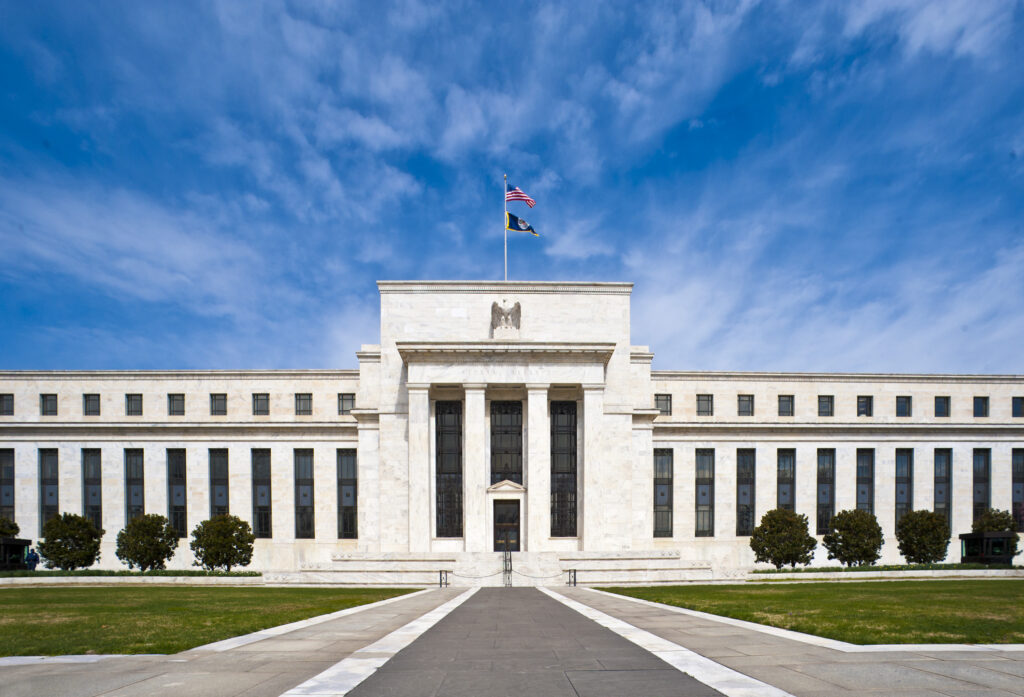
A world reserve currency is held in significant quantities by governments for international transactions and reserves.
Global Reserve Distribution (2025–2026 estimates):
| Currency | Reserve Share | Notes |
|---|---|---|
| US Dollar (USD) | 58–60% | Global trust, deep liquidity |
| Euro (EUR) | 20% | European Union’s economic bloc |
| Chinese Yuan (CNY) | 3–4% | Growing trade influence, limited market access |
| Japanese Yen (JPY) | 5% | Stable financial system |
| British Pound (GBP) | 4–5% | London financial hub |
The USD’s position as the world reserve currency remains unmatched due to its financial infrastructure and global acceptance.
US Dollar Currency to Rand: Exchange Rate and Global Market Impact
For countries outside traditional financial hubs, the US dollar currency to rand (USD/ZAR) exchange rate reflects global market confidence.
Current Trends (Early 2026):
1 USD ≈ 18 ZAR – showing South Africa’s dependency on the USD.
Fluctuations in USD/ZAR affect imports, exports, and foreign debt repayments.
Many African and developing nations still peg trade and reserves to USD, despite diversification efforts.
This demonstrates that the dollar’s dominance extends far beyond developed economies, influencing trade and financial stability worldwide.
Euro to US Dollar Currency: Key Forex Comparison
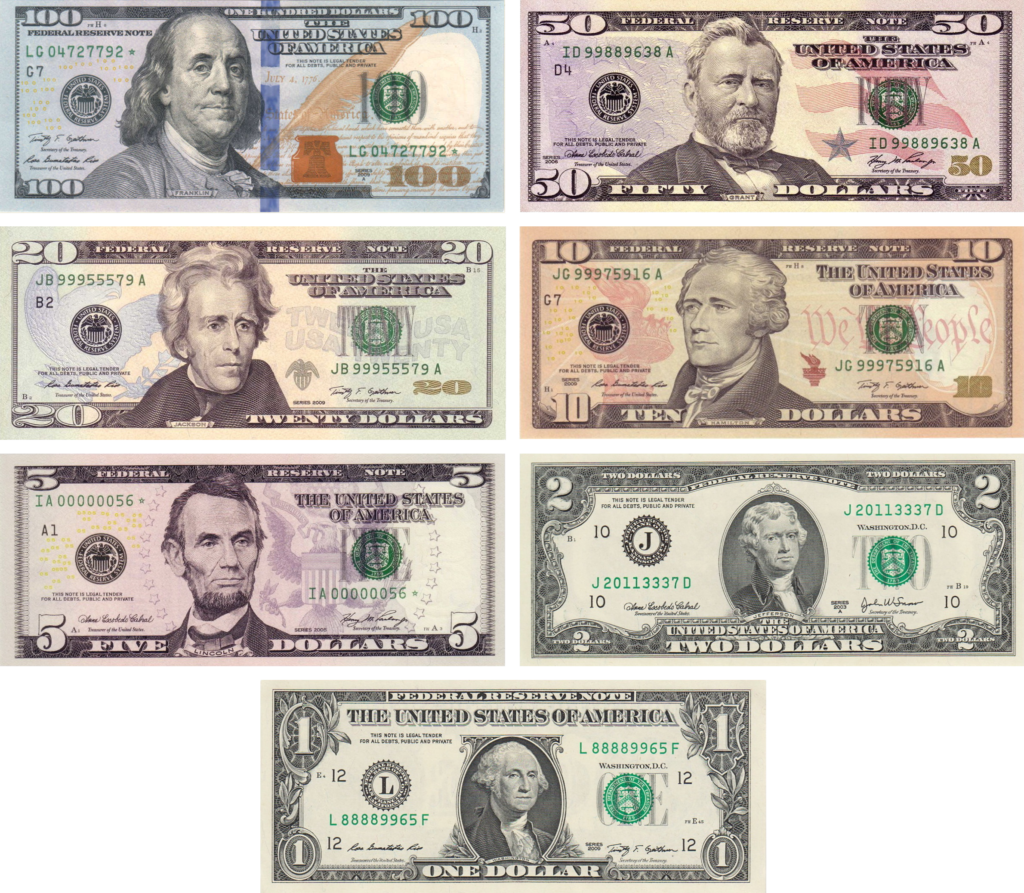
The euro to US dollar currency (EUR/USD) exchange rate is the most traded pair in the forex market, reflecting the economic balance between the US and Europe.
Key Insights:
EUR/USD remains the largest forex pair, with daily trading exceeding $1 trillion.
The euro provides an alternative to USD in reserves and cross-border trade, but EU fiscal policy fragmentation limits global adoption.
Exchange rate volatility between EUR/USD often signals market sentiment and investor confidence.
Despite the euro’s significance, the USD continues to dominate international finance.
Challenges and Future Trends
Although the US dollar currency remains dominant, several trends could influence its reserve status:
Rise of the Chinese Yuan:
China promotes the yuan in trade agreements and settlements.
Systems like CIPS are increasing yuan adoption.
Digital Currencies and CBDCs:
Central Bank Digital Currencies could reduce reliance on the USD in future trade settlements.
Geopolitical Tensions:
Sanctions and regional conflicts encourage countries to diversify reserves away from the USD.
What Is a Reserve Currency?
A reserve currency is a foreign currency that central banks hold in large quantities as part of their foreign exchange reserves.
Uses of Reserve Currency:
- International trade payments
- Stabilizing domestic currency
- Foreign debt settlements
- Global investments
Today, most reserves are still held in US dollars, though diversification is slowly increasing.
Global Reserve Currency Share (Approx. 2025–2026)
Currency | Global Reserve Share | Key Strength |
US Dollar (USD) | ~58–60% | Global trust, deep financial markets |
Euro (EUR) | ~20% | Strong European economic bloc |
Chinese Yuan (CNY) | ~3–4% | Growing trade influence |
Japanese Yen (JPY) | ~5% | Stable financial system |
British Pound (GBP) | ~4–5% | London financial hub |
Even with alternatives growing, the USD dominates global reserves by a wide margin.
Why the US Dollar Still Dominates

- Massive US Financial Markets
- US Treasury bonds, stock markets, and dollar-based commodities attract global investors.
- No other country currently matches this depth and liquidity.
- Global Trade Still Uses the Dollar
- Oil, international shipping, and commodities are mostly dollar-settled (Petrodollar system).
- Strong Global Financial Infrastructure
- Systems like SWIFT, global banking networks, and contracts rely heavily on the USD.
Emerging Challenges to Dollar Dominance
Trend | Impact |
Chinese Yuan | Growing trade agreements, but restricted financial access limits adoption |
Digital Currencies & CBDCs | Could reduce reliance on dollar-based payment systems |
Geopolitical Fragmentation | Push for bilateral trade in local currencies, regional systems |
No single currency currently matches the global trust, liquidity, and stability of the USD.
Currency Comparison: Strengths and Limitations
Currency | Strength | Limitation |
USD | Largest financial markets | Rising US debt |
Euro | Large economic bloc | Fragmented EU fiscal policy |
Yuan | Strong trade influence | Capital controls |
Yen | Financial stability | Slow economic growth |
Pound | Major financial hub | Smaller economy |
Expert Outlook for 2030
Economists predict a multi-currency future:
- USD remains dominant
- Euro strengthens in Europe
- Yuan grows in Asia and developing markets
This shift would create a more diversified global monetary system, though USD dominance will likely persist through 2026.
Global Insight
The US dollar currency will likely remain the world reserve currency in 2026. However, the global monetary system is slowly diversifying. | (SOURCE : LATEST USA NEWS )
Key Takeaways for Investors and Businesses:
- Monitor USD to emerging market currencies like the rand
- Track EUR/USD trends
- Observe gradual adoption of alternative currencies and digital systems
A multi-currency system may not replace the dollar overnight, but the future is more diverse than ever.
💬 Discussion Question:
Do you think the US dollar will maintain its dominance, or will other currencies like the euro or yuan gradually reshape the global reserve landscape?
 US DOLLAR CURRENCY FAQs
Can the US dollar exchange rate affect the global economy?
Yes. The US dollar exchange rate plays a major role in the global economy because many commodities such as oil, gold, and international trade contracts are priced in USD. When the dollar strengthens, imports become cheaper for the United States but more expensive for other countries, influencing global markets and investment flows.
What is the Canadian vs US dollar exchange rate?
The Canadian vs US dollar exchange rate (CAD/USD) reflects the value of Canada’s currency compared to the USD. It is influenced by factors such as oil prices, interest rates, and economic performance in both countries. The pair is widely traded in global forex markets due to strong trade ties between the U.S. and Canada.
Will the dollar remain the world's reserve currency?
Most economists believe the US dollar will remain the world’s reserve currency in the near future because of the size of the U.S. economy, the stability of its financial system, and the global demand for dollar-denominated assets like U.S. Treasury bonds.
Why is the US dollar called a reserve currency?
The US dollar is called a reserve currency because central banks around the world hold large amounts of it as part of their foreign exchange reserves. These reserves help countries manage international trade, stabilize their currencies, and respond to economic crises.
What is an international reserve currency?
An international reserve currency is a currency widely held by governments and institutions as part of their foreign exchange reserves. It is commonly used for global trade, financial transactions, and international investments.
How many reserve currencies are there in the world?
There are five major reserve currencies commonly recognized in global finance:
US Dollar (USD)
Euro (EUR)
Japanese Yen (JPY)
British Pound (GBP)
Chinese Yuan (CNY)
Among these, the US dollar holds the largest share of global reserves.
What is the US dollar currency to peso exchange rate?
The US dollar currency to peso exchange rate depends on which peso is being referenced, such as the Mexican peso or the Philippine peso. These exchange rates fluctuate based on inflation, interest rates, trade balances, and economic conditions.
What is the euro to US dollar currency exchange rate?
The euro to US dollar currency (EUR/USD) pair is the most traded currency pair in the world. It represents the value of the euro compared to the US dollar and reflects economic conditions in both the United States and the Eurozone.
Will the US dollar remain the world reserve currency?
Experts generally expect the US dollar to remain the dominant reserve currency for the foreseeable future, although other currencies such as the euro and Chinese yuan are gradually increasing their share of global reserves.
Why is the US dollar the global reserve currency?
The US dollar became the global reserve currency after World War II through the Bretton Woods system. Its dominance continues today due to the size of the U.S. economy, strong financial markets, and global trust in U.S. institutions.
Which currency could replace the US dollar?
The currencies most often discussed as potential alternatives include the euro, Chinese yuan, and a possible future digital currency system. However, none currently match the scale, liquidity, and global trust associated with the US dollar.
What is the future of global reserve currencies?
The future may involve a multi-currency reserve system, where several major currencies share influence rather than a single dominant currency. This could include the dollar, euro, yuan, and digital central bank currencies.
Will the Chinese yuan replace the dollar?
While the Chinese yuan is gaining influence in international trade, it is unlikely to replace the dollar in the near term due to capital controls and less open financial markets compared to the United States.
What is global currency competition in 2026?
Global currency competition in 2026 refers to the increasing rivalry among major currencies like the US dollar, euro, and yuan as countries diversify their reserves and explore alternative financial systems.
How can I subscribe to NATO newsletters or updates?
Global reserves are gradually becoming more diversified, with central banks adding currencies such as the yuan and increasing holdings of gold while still maintaining significant reserves in US dollars.
How does the dollar vs yuan dynamic impact the global economy?
The dollar vs yuan relationship reflects the broader economic competition between the United States and China. Changes in trade agreements, investment flows, and financial policies between the two nations can influence global markets and currency trends.
∙ Buzzy Thoughts ∙
The US dollar has ruled global finance for decades, but with rising digital currencies, the yuan, and geopolitical shifts, is its dominance safe in 2026? The world may be moving toward a multi-currency future
SOURCE - USA-BUZZ360 HEADLINES

USA BANK ONLINE – TOP BANKS
USA Bank Online: Top Banks, Mortgages & Nearby Branches (2026 Guide) Table of Contents Facebook Twitter Pinterest Linkedin Youtube Banking in the United States has

Top 10 banks in usa : Largest & Best US Banks
🏦 Top 10 Banks in USA (2026): Largest & Best US Banks You Can Trust Table of Contents Facebook Twitter Pinterest Linkedin Youtube Choosing the

5G TECHNOLOGY
5G Technology Benefits 2026: How It Will Transform Your Life Table of Contents Facebook Twitter Pinterest Linkedin Youtube The arrival of 5G technology is not

The Future of Connectivity: T-Mobile 5G Network, Wireless Home Internet, and the Rise of 6G
The Future of Connectivity: T-Mobile 5G Network, Wireless Home Internet, and the Rise of 6G T Mobile 5g network : The global telecom industry is
US Dollar Currency: Will It Remain the World Reserve Curency
Will the US Dollar Remain the World’s Reserve Currency in 2026? For decades, the US dollar has been the world’s dominant reserve currency, shaping global

NYC Real Estate in 2026: Licensing, Classes, Management Companies & Market Insights
NYC Real Estate in 2026: Licensing, Classes, Management Companies & Market Insights Facebook Twitter Pinterest Linkedin Youtube Table of Contents If you’re exploring NYC real